





Blog / Buyer's Guide

Electric Vehicles vs Hybrid Vehicles: Which one is Superior?

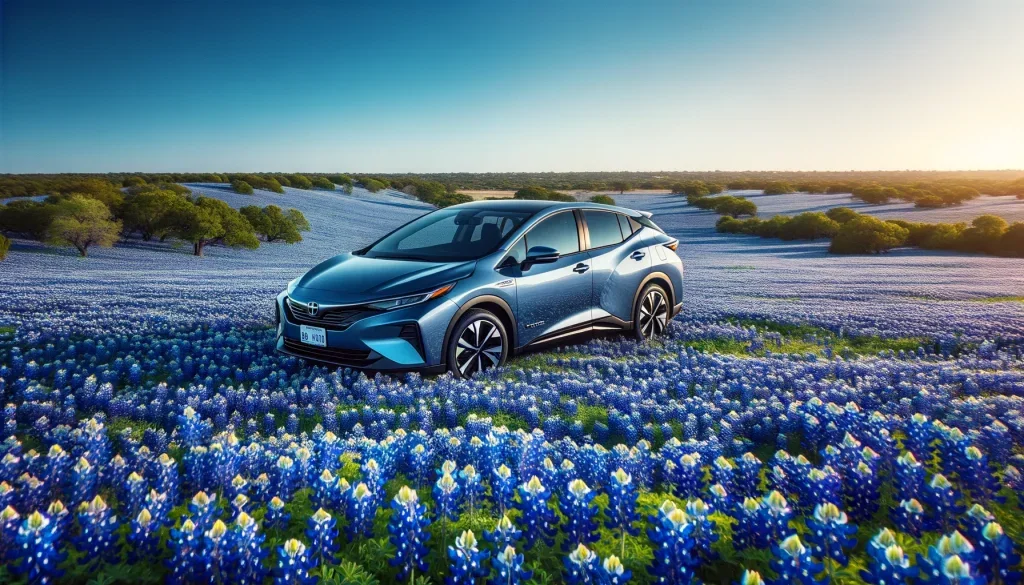
Blue hybrid vehicle in a field of blue flowers

Electric vehicles (EVs) and hybrid vehicles (HEVs) represent two innovative approaches in the automotive industry aimed at reducing reliance on fossil fuels and decreasing emissions. Each type offers distinct benefits and challenges, shaping consumer choice based on lifestyle, economic considerations, and environmental impact. Here, we explore these two types of vehicles, including a specific look at an example from the EV market, the Hummer Electric Vehicle.

Advantages of Electric Vehicles (EVs)

  • Zero Emissions: EVs operate solely on electric power, which means they emit no pollutants from their exhaust systems. This starkly contrasts with internal combustion engines and even hybrids, which still emit some pollutants when the gasoline engine is in use.
  • Reduced Operating Costs: Electric vehicles are generally cheaper to maintain than their gasoline-powered counterparts. They have fewer moving parts, which reduces the likelihood of mechanical failures. The cost of electricity to power an EV can also be significantly lower than the cost of gasoline, depending on local energy prices.
  • Performance Benefits: Electric motors provide instant torque, which can enhance the acceleration capabilities of EVs compared to traditional engines. This results in a smoother and often more responsive driving experience.
  • Government Incentives: Many governments offer tax rebates, incentives, and benefits to encourage the adoption of EVs, including reduced registration costs and exemptions from certain fees. Learn about the tax credits for hybrid and electric vehicles at FuelEconomy.gov.

Disadvantages of Electric Vehicles

  • Range Anxiety: Despite advancements in battery technology, many EVs still offer a limited range compared to gasoline vehicles. This can be a concern for users who travel long distances frequently.
  • Charging Time: While refueling a gasoline car takes minutes, charging an electric car can take several hours depending on the charging station and the battery's capacity. However, the advent of fast-charging technology is beginning to mitigate this issue.
  • Higher Initial Purchase Price: Generally, EVs are more expensive to purchase than comparable gasoline and hybrid cars. This is largely due to the high cost of battery technology, though prices are steadily decreasing.

Advantages of Hybrid Vehicles (HEVs)

  • Fuel Efficiency: Hybrids offer great fuel efficiency by combining an electric motor with a gasoline engine. The electric motor can power the car at lower speeds, and the gasoline engine can kick in for higher speeds or when additional power is needed, reducing overall fuel consumption.
  • Flexibility: Hybrids eliminate range anxiety as they can switch to gasoline when the battery is depleted. This makes them a more versatile choice for many drivers.
  • Lower Emissions Than Gasoline Vehicles: By utilizing both an electric motor and a gasoline engine, hybrids can significantly reduce emissions compared to traditional cars, although they are not as clean as pure electric vehicles.

Disadvantages of Hybrid Vehicles

  • Complexity and Maintenance: Hybrids are more complex than either purely gasoline or electric vehicles. This complexity can lead to higher maintenance costs and potential reliability issues.
  • Less Efficient on Highways: While hybrids are most efficient in stop-and-go traffic where the electric motor is most beneficial, their advantages diminish at highway speeds where the gasoline engine dominates.
  • Cost: Hybrids can be more expensive than traditional vehicles due to their dual-system components.

Both EVs and HEVs offer unique advantages and come with their own set of challenges. The choice between an electric and a hybrid vehicle will largely depend on individual needs, preferences, and priorities, with considerations for environmental impact, technology, cost, and driving habits playing pivotal roles. Contact us to discuss your individual electric vehicle needs.

Posted in:

Related Posts

Chevy Silverado 2500

Chevrolet Silverado 1500 LD vs. 2500HD vs. 3500HD: How Do They Compare?

When it comes to dependable, hard-working trucks, Chevrolet’s Silverado lineup is one of the most trusted names in the industry. Whether you're looking for a light-duty pickup for everyday tasks or a heavy-duty workhorse for serious hauling, there’s a Silverado built for the job. But how do the Silverado 1500 LD, 2500HD, and 3500HD stack up in terms of reliability, power, and value? Let’s break it down. Chevrolet Silverado 1500 LD: The Versatile Everyday Truck The Chevy Silverado 1500 LD is a solid choice for truck owners who need reliability and capability without stepping into the heavy-duty realm. It boasts a reliability score of 9.3/10, making it one of the most dependable light-duty pickups on the market. Key Specs: Horsepower: 305-420 HP Reliability Score: 9.3/10 Value Retention: 7.8/10 Safety: 8.0/10 While the Silverado 1500 LD ranks high in reliability, its value retention (7.8/10) is lower than its heavy-duty counterparts. This means it may not hold its resale value as well as the Silverado 2500HD or 3500HD. Chevrolet Silverado 2500HD: The Heavy-Duty Powerhouse For truck owners who need more power, the Silverado 2500HD steps up the game. With 401-470 HP, this truck delivers impressive towing and hauling capabilities while maintaining top-tier reliability (9.3/10). Key Specs: Horsepower: 401 - 470 HP Reliability Score: 9.3/10 Value Retention: 8.8/10 Safety: 8.0/10 MPG: 11 MPG Compared to the 1500 LD, the 2500HD holds its value better (8.8/10 vs. 7.8/10), making it a smarter long-term investment. However, its fuel efficiency (11 MPG) is lower, which is expected from a heavy-duty truck. Chevrolet Silverado 3500HD: The Ultimate Work Truck If you need maximum towing capacity and durability, the Silverado 3500HD is the best option. With up to 470 HP, this truck is built to handle the toughest jobs. Key Specs: Horsepower: 401 - 470 HP Reliability Score: 9.2/10 Value Retention: 8.9/10 Safety: Not Available The 3500HD earns the highest overall ranking (9.1/10) among the three models, making it the best choice for serious work applications. However, safety data is not available, which may be a consideration for buyers prioritizing crash test ratings. Which Silverado is Right for You? Choose the Silverado 1500 LD if you need a reliable, light-duty truck with strong everyday performance. Opt for the Silverado 2500HD if you require heavy-duty towing power and better resale value. The Silverado 3500HD is the best choice for maximum strength and long-term durability. No matter which Silverado you choose, Chevrolet’s legendary reliability ensures you’re getting a truck built to last. Check out our full inventory online, or visit us for a test drive! How These Ratings Were Determined The reliability, value retention, and safety ratings used in this comparison are based on iSeeCars’ proprietary analysis. Their ratings system evaluates vehicle dependability based on durability, resale value, and safety scores. iSeeCars' overall score combines data from over 12 million new and used vehicles, incorporating insights from their Longest-Lasting Cars and 5-Year Depreciation Studies. Safety scores are based on crash test ratings from the NHTSA and IIHS Top Safety Pick information over the last five years. These factors ensure buyers have the most accurate and comprehensive assessment when choosing the best truck for their needs.

Best Family Car for a Busy Mom in Harbin, Early: GMC Acadia vs. Chevy Traverse

Question: I am mom living in Harbin near Early, TX. We have regular sports and activities with my kids. What's the best family car? Answer: As a busy mom juggling sports, activities, and daily errands in Harbin, having the right family car is essential. Two top contenders that check all the boxes for space, comfort, and versatility are the 2025 GMC Acadia and the 2025 Chevy Traverse. Let’s dive into how they stack up for an active family lifestyle. Space for the Family and Gear Both the Acadia and Traverse offer three rows of seating, but the Traverse takes the lead in cargo space. With a whopping 98.2 cubic feet of maximum cargo room, it’s perfect for strollers, sports equipment, and grocery hauls. The Acadia is slightly smaller, offering 79 cubic feet, but its compact design makes it easier to maneuver in tight parking lots and busy streets. Comfort and Features The Acadia caters to families with its upscale interior, featuring soft-touch materials and available luxury options like ventilated front seats. The Traverse focuses more on practicality, with generous third-row seating and thoughtful storage solutions like underfloor compartments. Both models offer Apple CarPlay, Android Auto, and Wi-Fi hotspots to keep your kids entertained during long drives. Safety and Peace of Mind Safety is non-negotiable for family vehicles, and both SUVs deliver. The Acadia comes standard with GMC Pro Safety, including forward collision warning and lane keep assist. The Traverse’s Chevy Safety Assist offers similar features, but its larger size might feel less nimble for a mom handling daily drop-offs. Which One is Right for You? If your priorities are cargo space and third-row comfort, the Chevy Traverse is a strong choice for your busy schedule. However, if you prefer a slightly smaller vehicle that’s easier to park without sacrificing premium features, the GMC Acadia might be your ideal match. Both are excellent ways to keep your family comfortable and ready for whatever the day brings!

Man showing woman car paperwork

How to Trade-in a Car That Has a Loan

Trading in a vehicle that still has an outstanding loan might appear daunting, but it can be a smooth experience if you follow these steps: 1. Know Your Loan Balance Begin by reaching out to your lender to obtain your loan payoff amount. This figure represents the total needed to settle your loan, which may include any fees or interest that have accumulated since your last payment. 2. Assess Your Car’s Trade-In Value Next, look up your car’s trade-in value using tools like Kelley Blue Book or Edmunds. This information will give you an idea of what the dealership might offer for your vehicle. 3. Calculate Your Equity Subtract your loan payoff amount from the trade-in offer. If your car’s value exceeds your loan balance, you have positive equity that can be used toward your new vehicle purchase. Conversely, if your loan balance is higher than the trade-in value, you’ll face negative equity, meaning you’ll need to pay the difference. 4. Explore Your Options with the Dealership Many dealerships can manage loan payoffs for you. If you have positive equity, it will lower the price of your new car. If you have negative equity, the dealership may incorporate the remaining balance into your new loan, which could raise your monthly payments. 5. Finalize the Trade-In and Purchase Once you agree on the terms, the dealership will take care of the paperwork, including settling your current loan. Make sure to review the contract thoroughly to confirm that all details are correct. Trade In Your Car Today at Bruner Motors! Many times dealers will have additional incentives for certain makes and models to help you get out of your current vehicle. There are additional tax savings for trading in your vehicle vs selling it yourself. For example, if you trade in a vehicle with $5000 in equity it will reduce your new car taxable amount by $5000. Whereas if you sell your vehicle yourself you would pay taxes on the entire amount. At Bruner Motors, we simplify the process of trading in your vehicle with a loan. Let us manage the details while you concentrate on selecting your next car. Visit us today to begin your journey and drive away in a vehicle you’ll adore!