





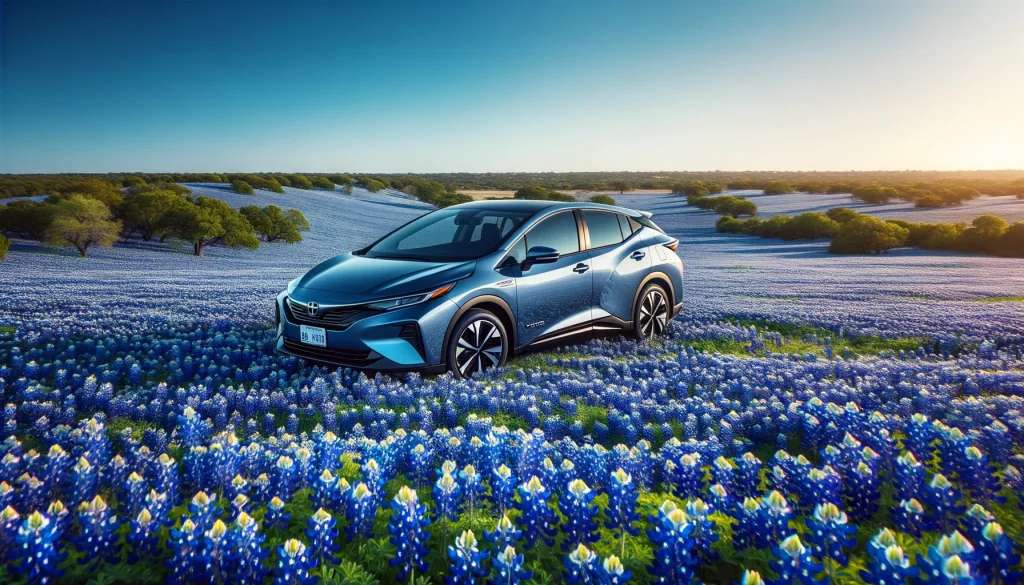
Electric vehicles (EVs) and hybrid vehicles (HEVs) represent two innovative approaches in the automotive industry aimed at reducing reliance on fossil fuels and decreasing emissions. Each type offers distinct benefits and challenges, shaping consumer choice based on lifestyle, economic considerations, and environmental impact. Here, we explore these two types of vehicles, including a specific look at an example from the EV market, the Hummer Electric Vehicle.
Advantages of Electric Vehicles (EVs)
- Zero Emissions: EVs operate solely on electric power, which means they emit no pollutants from their exhaust systems. This starkly contrasts with internal combustion engines and even hybrids, which still emit some pollutants when the gasoline engine is in use.
- Reduced Operating Costs: Electric vehicles are generally cheaper to maintain than their gasoline-powered counterparts. They have fewer moving parts, which reduces the likelihood of mechanical failures. The cost of electricity to power an EV can also be significantly lower than the cost of gasoline, depending on local energy prices.
- Performance Benefits: Electric motors provide instant torque, which can enhance the acceleration capabilities of EVs compared to traditional engines. This results in a smoother and often more responsive driving experience.
- Government Incentives: Many governments offer tax rebates, incentives, and benefits to encourage the adoption of EVs, including reduced registration costs and exemptions from certain fees. Learn about the tax credits for hybrid and electric vehicles at FuelEconomy.gov.
Disadvantages of Electric Vehicles
- Range Anxiety: Despite advancements in battery technology, many EVs still offer a limited range compared to gasoline vehicles. This can be a concern for users who travel long distances frequently.
- Charging Time: While refueling a gasoline car takes minutes, charging an electric car can take several hours depending on the charging station and the battery’s capacity. However, the advent of fast-charging technology is beginning to mitigate this issue.
- Higher Initial Purchase Price: Generally, EVs are more expensive to purchase than comparable gasoline and hybrid cars. This is largely due to the high cost of battery technology, though prices are steadily decreasing.
Advantages of Hybrid Vehicles (HEVs)
- Fuel Efficiency: Hybrids offer great fuel efficiency by combining an electric motor with a gasoline engine. The electric motor can power the car at lower speeds, and the gasoline engine can kick in for higher speeds or when additional power is needed, reducing overall fuel consumption.
- Flexibility: Hybrids eliminate range anxiety as they can switch to gasoline when the battery is depleted. This makes them a more versatile choice for many drivers.
- Lower Emissions Than Gasoline Vehicles: By utilizing both an electric motor and a gasoline engine, hybrids can significantly reduce emissions compared to traditional cars, although they are not as clean as pure electric vehicles.
Disadvantages of Hybrid Vehicles
- Complexity and Maintenance: Hybrids are more complex than either purely gasoline or electric vehicles. This complexity can lead to higher maintenance costs and potential reliability issues.
- Less Efficient on Highways: While hybrids are most efficient in stop-and-go traffic where the electric motor is most beneficial, their advantages diminish at highway speeds where the gasoline engine dominates.
- Cost: Hybrids can be more expensive than traditional vehicles due to their dual-system components.
Both EVs and HEVs offer unique advantages and come with their own set of challenges. The choice between an electric and a hybrid vehicle will largely depend on individual needs, preferences, and priorities, with considerations for environmental impact, technology, cost, and driving habits playing pivotal roles. Contact us to discuss your individual electric vehicle needs.
Connect with us


- May 2026
- January 2026
- December 2025
- November 2025
- October 2025
- September 2025
- August 2025
- July 2025
- June 2025
- May 2025
- March 2025
- February 2025
- January 2025
- November 2024
- October 2024
- September 2024
- August 2024
- July 2024
- June 2024
- May 2024
- April 2024
- March 2024
- January 2024
- December 2023
- November 2023
- October 2023
- September 2023
- August 2023
- July 2023
- June 2023
- May 2023
- April 2023
- March 2023
- February 2023
- January 2023
- November 2022
- October 2022
- September 2022
- August 2022
- September 2021
Archives
- Automotive Industry
- Bruner GM Early Service
- Buyer's Guide
- Car News
- Chevy Blazer
- Chevy Blazer EV
- Chevy Equinox
- Chevy Malibu
- Chevy Silverado 1500
- Chevy Silverado 2500 HD
- Chevy Tahoe
- Chevy Traverse
- Chevy Trax
- GMC Canyon
- GMC Hummer EV Pickup
- GMC Hummer EV SUV
- GMC Sierra 1500
- GMC Sierra 2500 HD
- Local Activities
- Local Attractions
- Luxury vehicles
- Uncategorized
- Used Car Guide
- Used Car Guides